

Second phase in charging infrastructure: Eşarj prepares for a new period in its fast-charging station structure approaching 85 percent
Charging infrastructure enters its second phase with the rapidly growing EV market. As the first EV charging station network operator in Türkiye, Eşarj focuses on reliability, operational continuity and convenient charging experience required by this second phase thanks to its fast (DC) stations which make up nearly 85 percent of its charging network. With its 24/7 support and uninterrupted service approach along with its user-friendly solutions such as Eşarj Auto, which initiates automatic charging as soon as the socket is plugged into the vehicle, Eşarj not only focuses on speed, it also aims to build a sustainable, reliable and integrated charging ecosystem in the long-term.
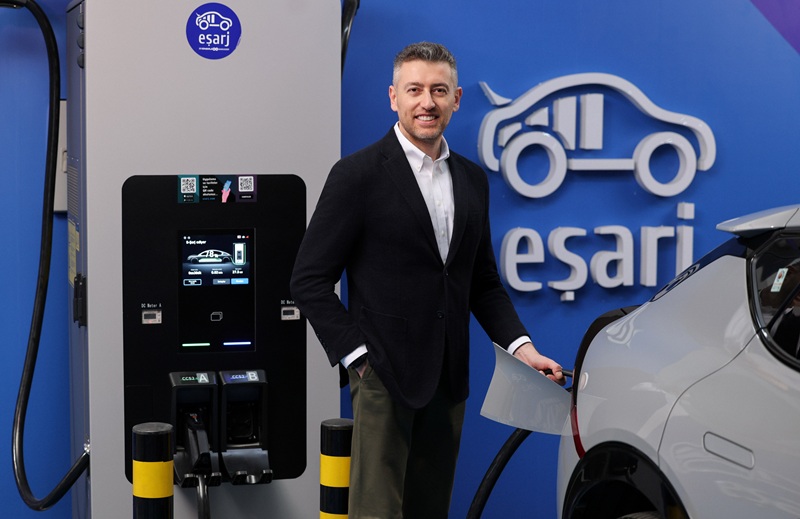
Eşarj, a wholly-owned subsidiary of Enerjisa Enerji, collected a significant amount of experience in the market with its investments in line with its purpose to enable EV driving more accessible and attractive. Today, Eşarj operates nearly 1,500 stations and 2,500 sockets across Türkiye, and approximately 85 percent of its charging infrastructure is composed of fast (DC) charging stations. This infrastructure provides EV drivers with charging experience that supports practicality needed in their daily use and long journeys.
A smooth charging process during a coffee break
Eşarj’s approach is focused not only on rapid growth, but also functionality, continuity and user experience. As a reliable and smooth charging experience becomes increasingly significant for the drivers in the market in which approximately 200 operators are active, Eşarj aims to meet this need with its powerful operational structure, its large technical team and its stable digital infrastructure. The capacity of DC charging stations to charge electric vehicles from 20 percent to 80 percent under standard conditions, which is as long as an average coffee break, stands out as a reflection of Eşarj’s approach.
Aydilek: “The prominent aspect to determine the success of e-mobility is reliability and sustainability”
Indicating that EV market is rapidly evolving in Türkiye and worldwide, Yakup Aydilek, Managing Director of Eşarj, commented: “International projections reveal that the majority of vehicles sold will be EVs in the following years. This growth requires not only the establishment of more charging stations in the charging infrastructure, but also creating a more secure, reliable and sustainable structure. Today, charging infrastructure has already entered its second phase. Now, the matter is not only about ‘how many stations there are,’ but also ‘how operative these stations are, how they are operated’ and ‘how much drivers trust these systems.’ One of the critical steps in this transformation is licensing regulations implemented by EMRA. As the sector gains clearer rules together with the licensing process, operational capacity, financial resilience, and brand reputation are all becoming more determinant. At Eşarj, we have already exceeded 2,650,000 charging processes. With our experience as one of the first actors in the sector, we have been envisaging this transformation for a long time. Our purpose goes beyond this rapid growth; we have the goal to create a charging ecosystem in which the service continues without interruption and the same feeling of trust is experienced at each point. And I believe that this trust and sustainability approach will be the most significant aspect to determine the success of electric mobility in the following years.”
KAPATMAK İÇİN (ESC)
Kapat